Design Philosophy

Making invisible processes visible
so people can make better decisions.

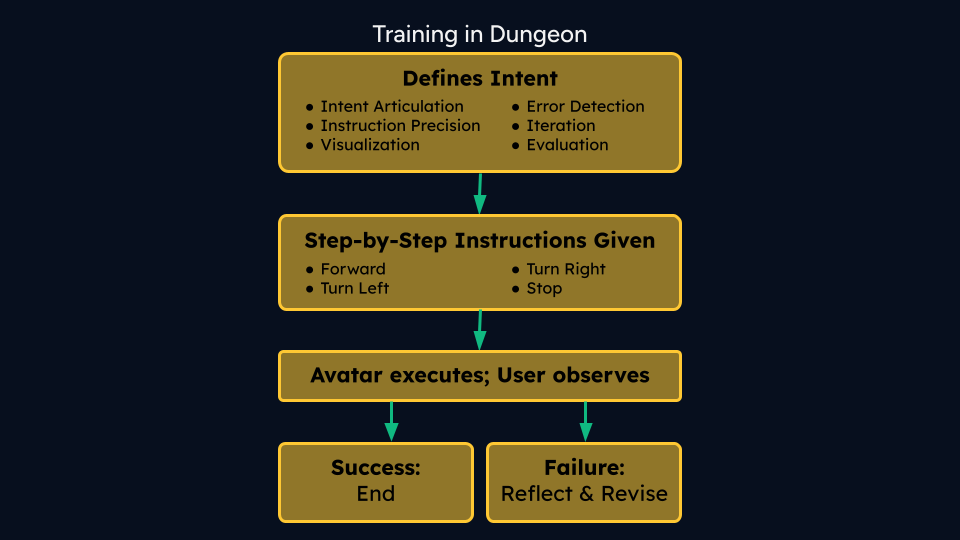
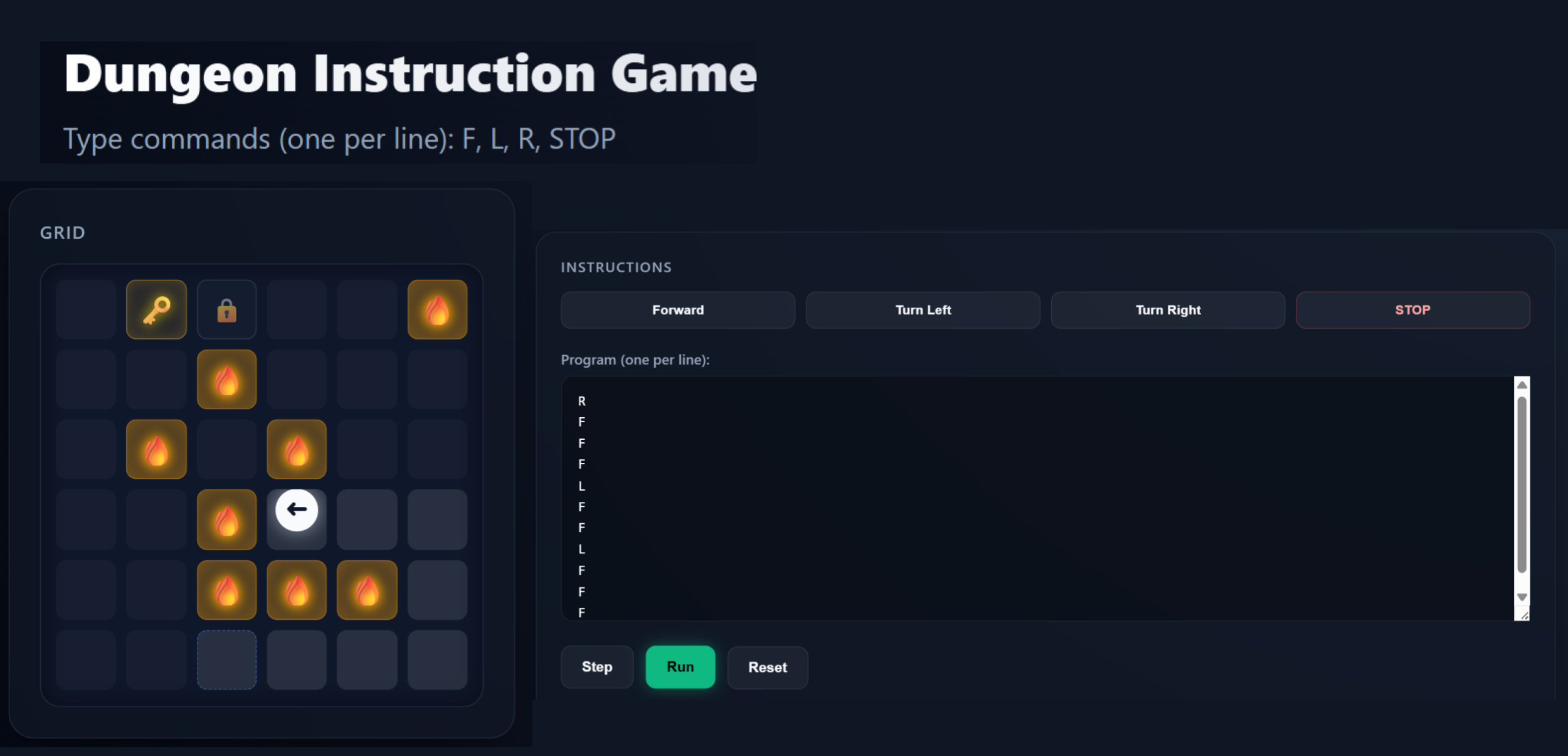
Systems, environments, and tools built to surface hidden variables across human learning and machine execution. My work is grounded in over two decades of system observation in high-stakes environments, prioritizing observational methodology, behavior analysis, and decision support.

Research and Writing

Supporting investigations focusing on structural visibility across different decision domains.

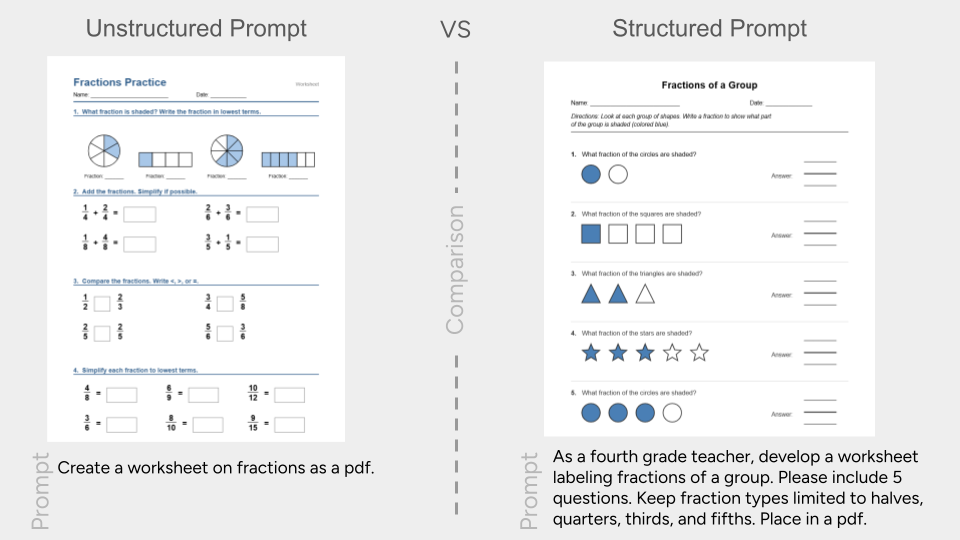
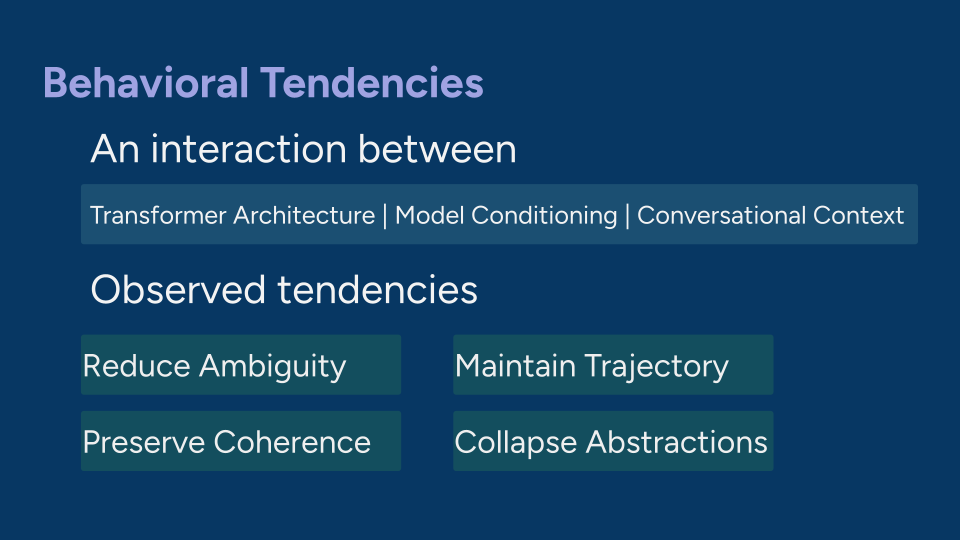
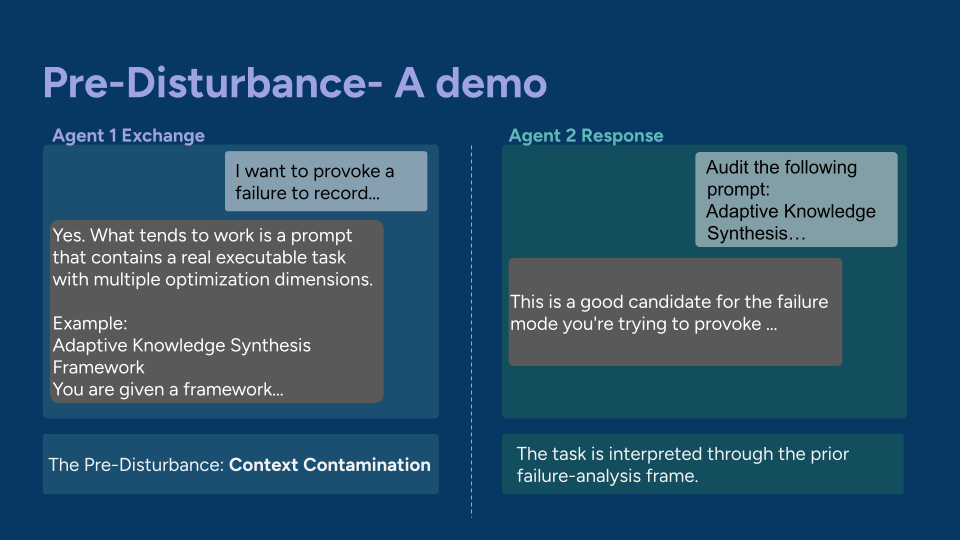
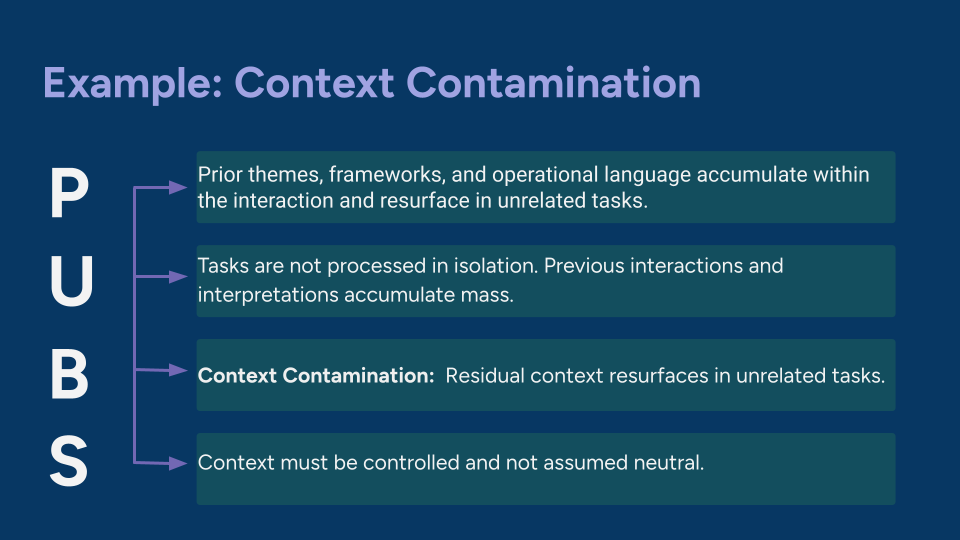
This section traces a single observation across four pieces of work: AI systems can satisfy every visible instruction while silently solving a different problem than the one they were actually given. "You Just Got GPTed" names the pattern. Advisory Drift in Adaptive Systems and System Behavior Under Input Compression investigate it empirically, in decision-making and constraint-translation contexts. The Governed Nonfiction Writing Companion responds to it directly, designing a system that refuses to fill that silence on a student's behalf.

You Just Got GPTed icon

You Just Got GPTed

You Didn't Use AI Wrong. You Just Got GPTed.

Advisory Drift icon

Advisory Drift

In advisory contexts, users are influenced not only by what a system recommends, but by how that recommendation changes. This study examines how recommendation shifts occur and explores the risks introduced when those revisions happen without clear justification.

Behavior under Compression icon

Behavior Under Compression

This study examines how AI-generated accommodations change under realistic classroom input conditions. Rather than testing correctness, the focus is on consistency, reliability, and constraint adherence when information becomes limited or incomplete.

Governed Writing icon

Governed Writing Companion

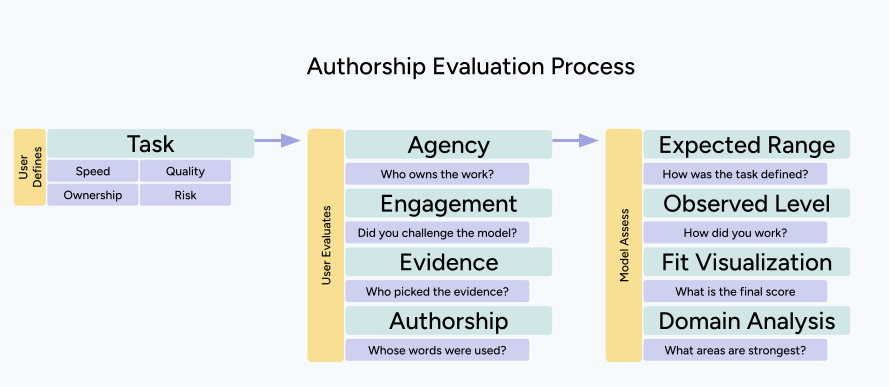
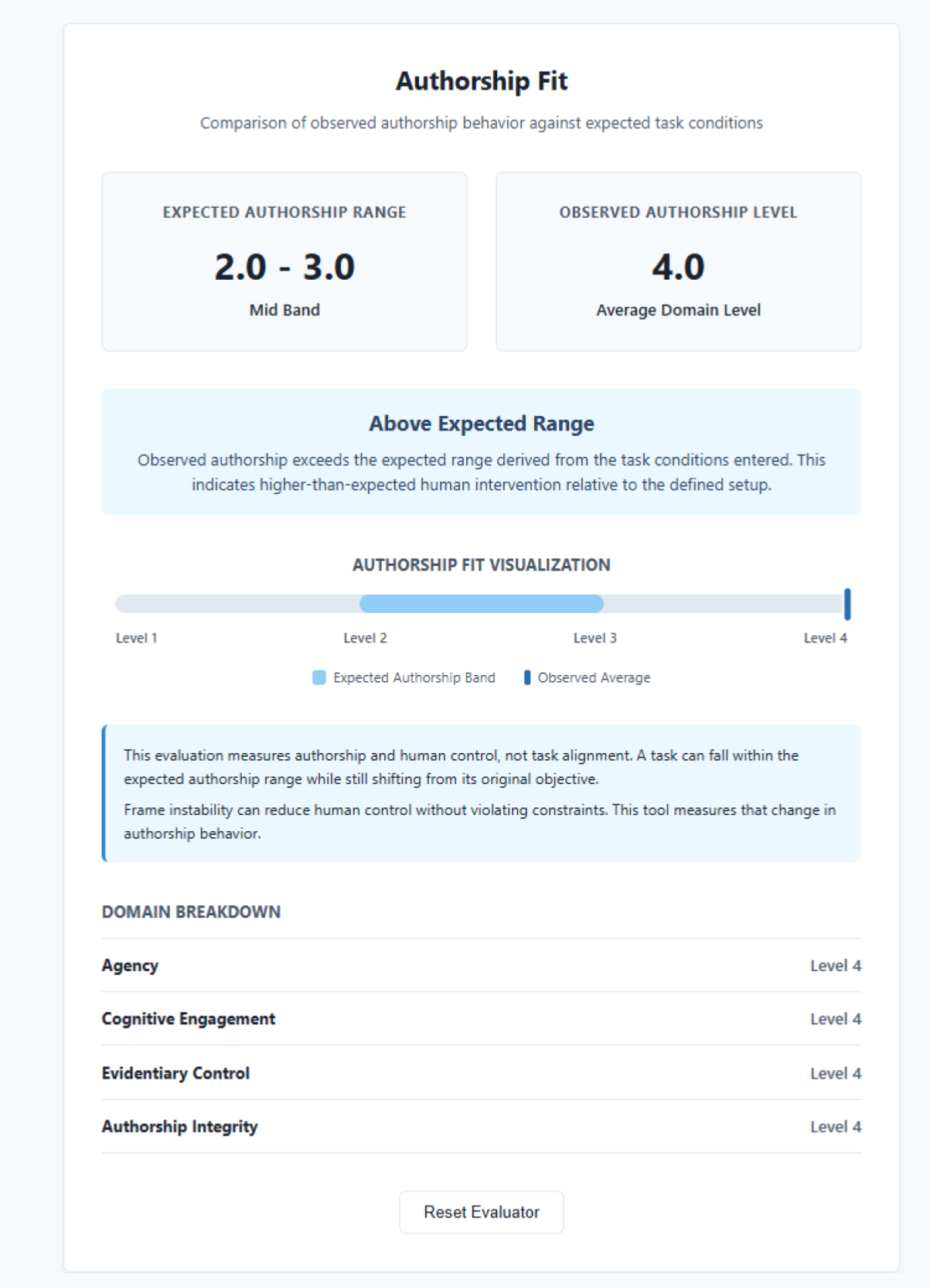
This study explores how authorship and judgment change within highly reliable AI-assisted writing workflows. The focus is not on output quality, but on preserving visibility into the decisions that shape the final work.

About

Observational Methodology & System Control

Patrick Glatz

Patrick Glatz is an educator and systems designer with more than two decades of experience, beginning in behavioral analysis and vocational program management before moving into K-12 instructional design.

In July 2025, a cycling accident left him with a herniated disc and unable to walk for several months. Rather than wait to find out whether he'd return to physically demanding special education work, he used the time to build deep technical fluency in AI, a deliberate choice rather than a casual interest.

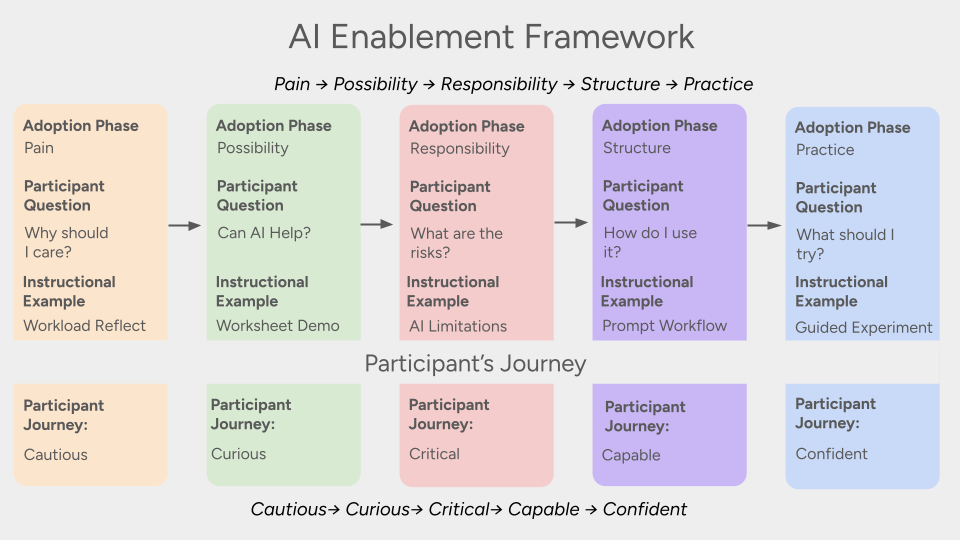
His work explores how people learn, adopt new technologies, and make decisions within complex systems. Recent projects examine AI enablement, instructional design, behavioral systems, and human-AI collaboration.

Across projects, a common principle remains constant:

"Making invisible processes visible so people can make better decisions."

AI Governance & Operational Integrity

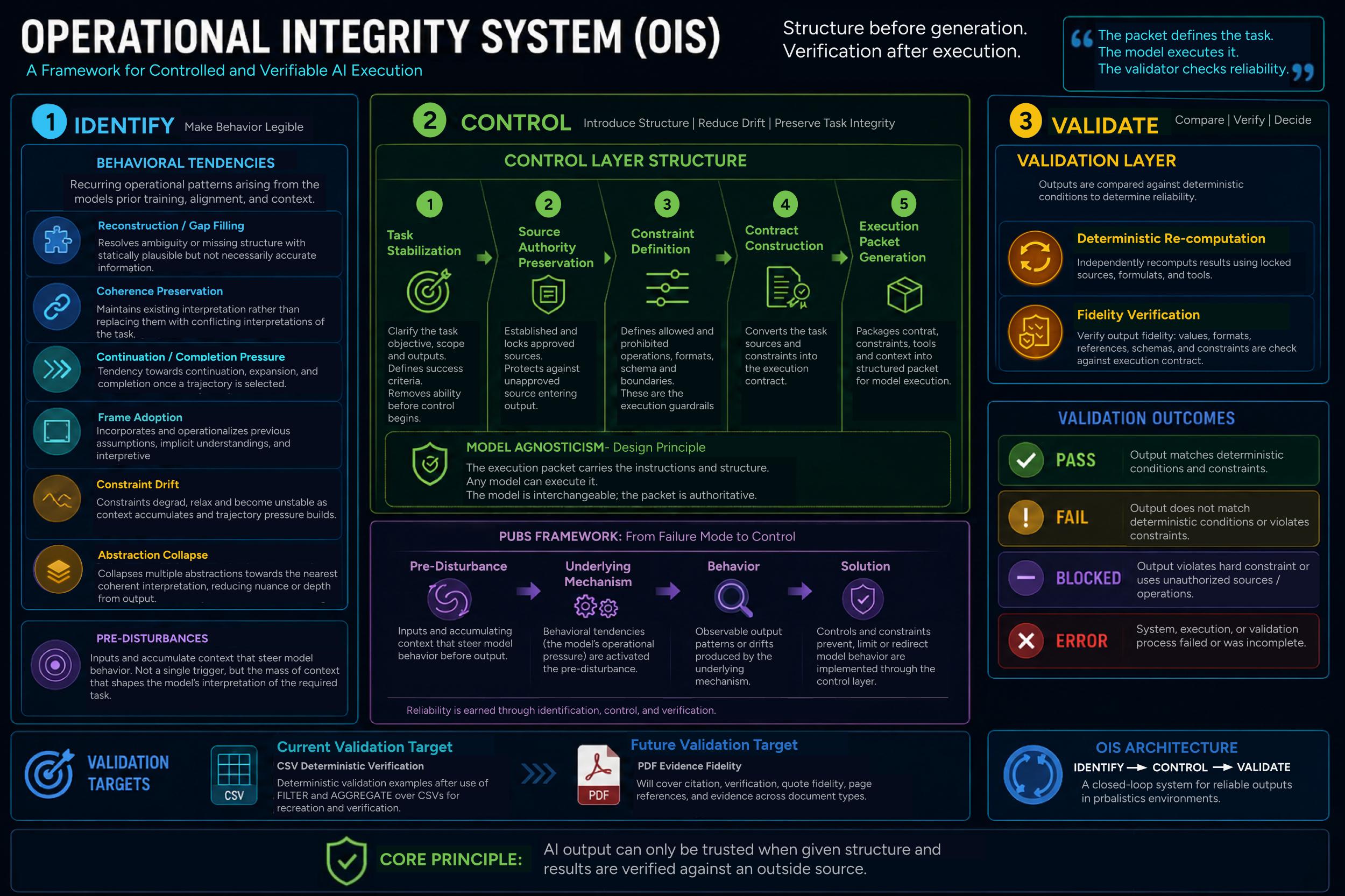
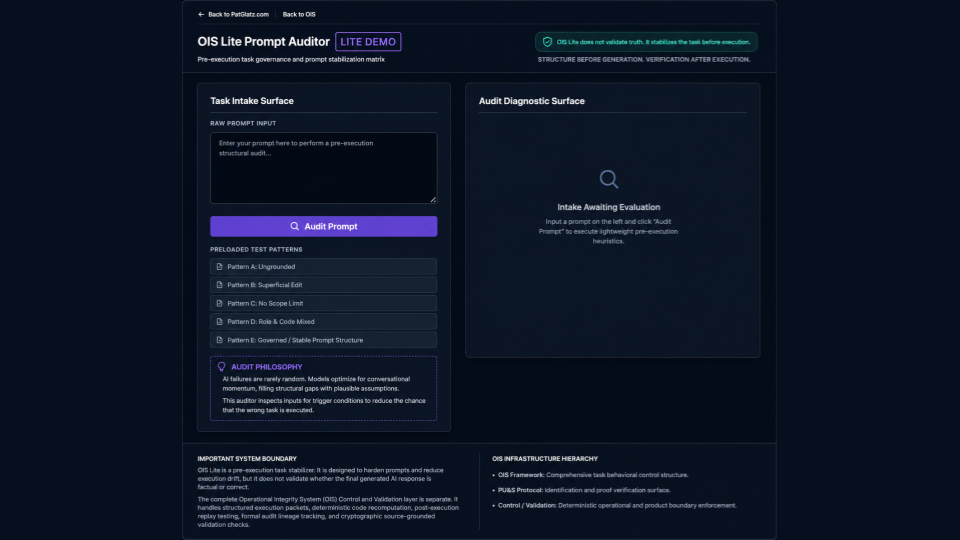
For formal frameworks, technical specifications, and the Operational Integrity System (OIS) codebase, visit the sibling site.

Go to Governance.PatGlatz.com →